WSL now ships a native Linux container runtime — and container.exe is the tell
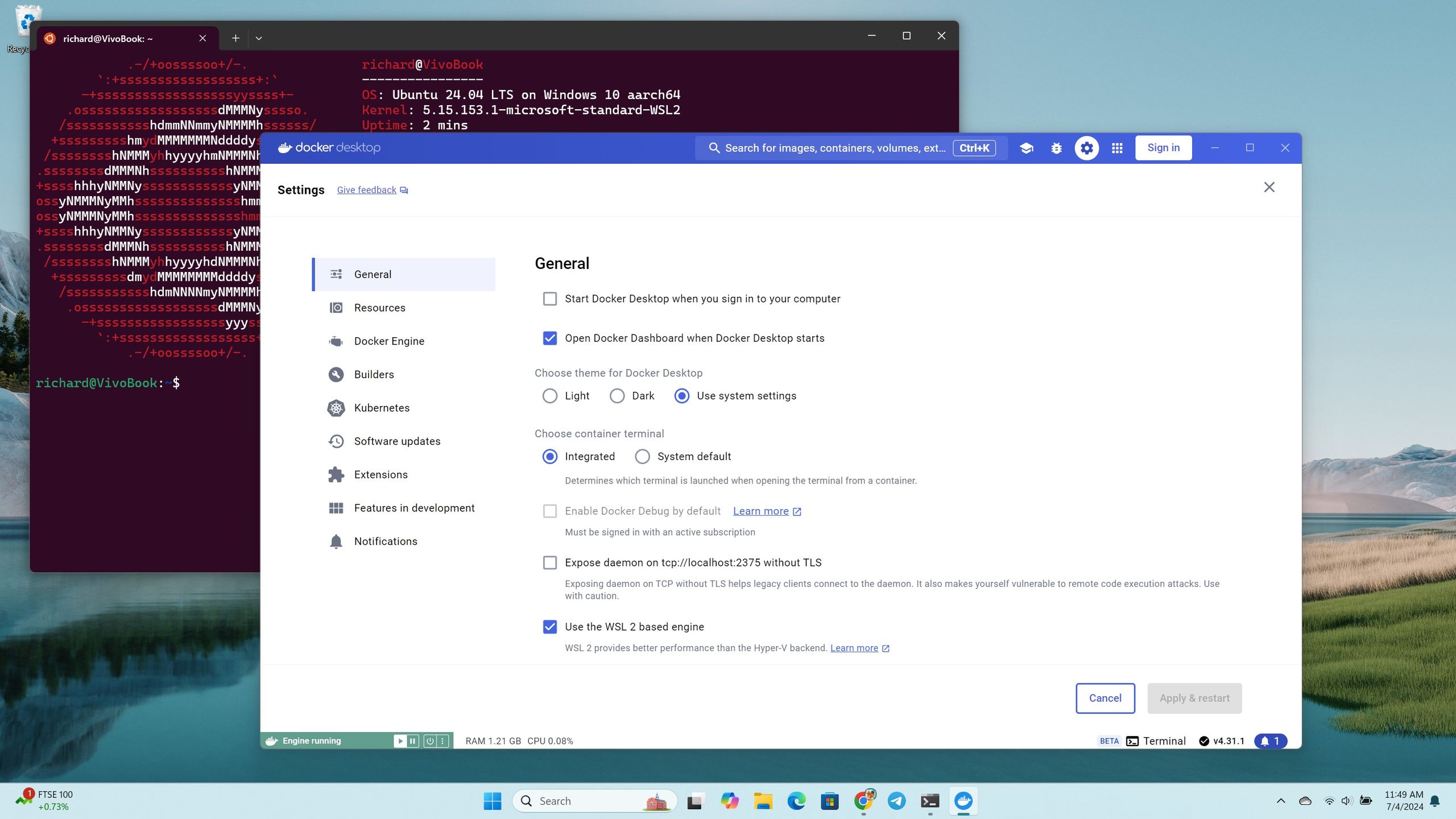
The quiet tell in Microsoft's announcement that WSL Containers is generally available isn't the feature; it's the alias. Run wsl --update and, alongside a new wslc.exe tool, you get container.exe — a built-in handle for the exact verbs you've been typing all along: build, run, deploy. For years the way you ran Linux containers on Windows was really "WSL2 as the kernel, Docker on top," a two-layer arrangement where Docker Desktop sat as the manager over a WSL2 VM doing the actual work. Microsoft has never been comfortable being the bottom half of that sentence, and with GA it's no longer pretending otherwise. This is a first-party runtime you can summon without installing a separate app, with a programmatic API that lets a native Windows process spin up and talk to Linux containers directly — the sort of thing Microsoft quietly steers toward local AI workloads and pulling cloud-based containerized apps onto your own box.
What the GA cut actually adds is where the credibility is. The preview was a promise; this release fills in the operational bits a team would notice the day after a migration. You get a container restart, a cp command that moves files in and out via a tar archive, a one-line system info for the state of the environment, real attach/detach on networks, a streaming events feed, health checks, and configurable storage locations. That's not the kind of surface you build to demo; it's the kind you build so the tool stops being the thing you work around. The honest read — and the one Windows Central lands on — is that it won't replace Docker Desktop for everyone. It's one fewer thing to install, not the whole container toolchain in a box, and for anything beyond a tidy local development loop the difference shows up fast.

Here's the tension I'd sit with. The real lock-in in containers was never the daemon. It's the image you pull, the compose file you version-control, and the CI job that runs docker build and expects a registry on the other side. A container alias that speaks the same verbs makes the first hop painless, but the day you discover it doesn't do the compose orchestration you actually depend on is the day the abstraction cracks. And there's a quieter cost in the other direction: a first-party runtime that's "good enough" can become the reason you stop learning what the escape hatch even looks like. If your whole local-dev and CI muscle memory is built on docker, how much of that survives a rename — and when the first-party tool hits a wall, do you have a second runtime you still trust, or just a memory of one?

Comments
Post a Comment