NVIDIA Put 300GB/s of Memory Bandwidth in a Laptop. That's the Real RTX Spark Story.
The coverage of NVIDIA's RTX Spark laptop launch is mostly about the laptops themselves — six vendors shipping on October 16, price tags starting at $2,599, a launch lineup that runs from the ASUS ProArt P14 to the Microsoft Surface Laptop Ultra. That's the consumer-facing story. The story that actually matters to anyone who runs models locally is buried in the spec sheet: up to 128GB of unified memory on a 16-channel, 256-bit LPDDR5X bus pushing 300GB/s, in a machine thin enough to put in a backpack.
The chip is the NVIDIA GB10, rebranded for consumers as the RTX Spark N1X, and anyone who followed the DGX Spark mini-PC already knows it — that machine has been shipping on Linux for about a year. ServeTheHome's launch overview fills in the details: two TSMC 3nm chiplets joined by NVLink-C2C at 600GB/s. A MediaTek-designed CPU die carries 10 Cortex-X925 performance cores, 10 Cortex-A725 efficiency cores, and the memory controllers. The Blackwell GPU die has 48 SMs and 6,144 CUDA cores — roughly RTX 5070 silicon, except the 5070 has over twice the bandwidth and only 12GB of VRAM. That tradeoff is the whole point. Local inference lives and dies on memory bandwidth and capacity, not peak FLOPs: token generation is a memory problem wearing a GPU costume. A 70B model at a sane quantization fits in 128GB with room left for context, and 300GB/s means it generates tokens at a speed that doesn't make you reconsider your career choices.
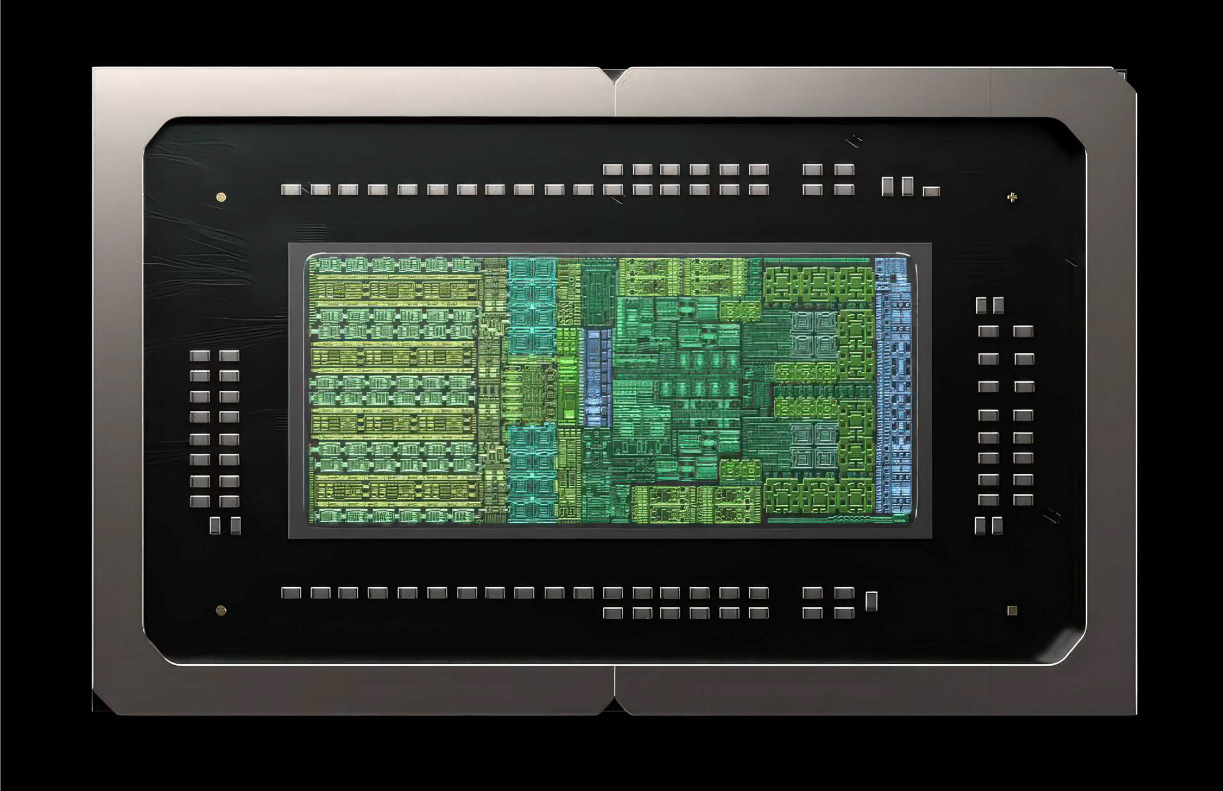
The catch is everything around the chip. ServeTheHome points out the CPU cores are Arm's 2024 Cortex designs — a generation behind at launch — so single-threaded tasks won't feel premium no matter what the sticker says. More importantly, this launch is a Windows-on-Arm story: DGX Spark owners got a Linux-friendly box, while laptop buyers get CUDA on Windows and a pitch built around local AI agents, creative apps, and a Perplexity signup promo. NVIDIA hasn't answered what Linux support looks like on these machines. For self-hosters, this is the first time a mainstream laptop looks like a portable inference box instead of a toy with a marketing sticker — but it's a Windows-only club until someone says otherwise. So here's the question I'd actually like answered: if you need to run serious local models for work, do you buy the Mac with unified memory, the workstation with the used 24GB GPU, or one of these? And does your answer change the moment NVIDIA opens the door to Linux?

Sources

Comments
Post a Comment