The 'YOLO' Mode Problem: When Autonomous AI Agents Run Unattended
We’ve all seen the demos of AI agents looking impressive in a controlled, sandboxed environment. They solve puzzles, write code, and navigate complex workflows with ease. But what happens when you actually let them loose on real-world infrastructure without a human babysitter? A recent cyber-espionage operation targeting Thailand's Ministry of Finance suggests that "unattended" might be an understatement for the level of autonomy we are now seeing in offensive operations.
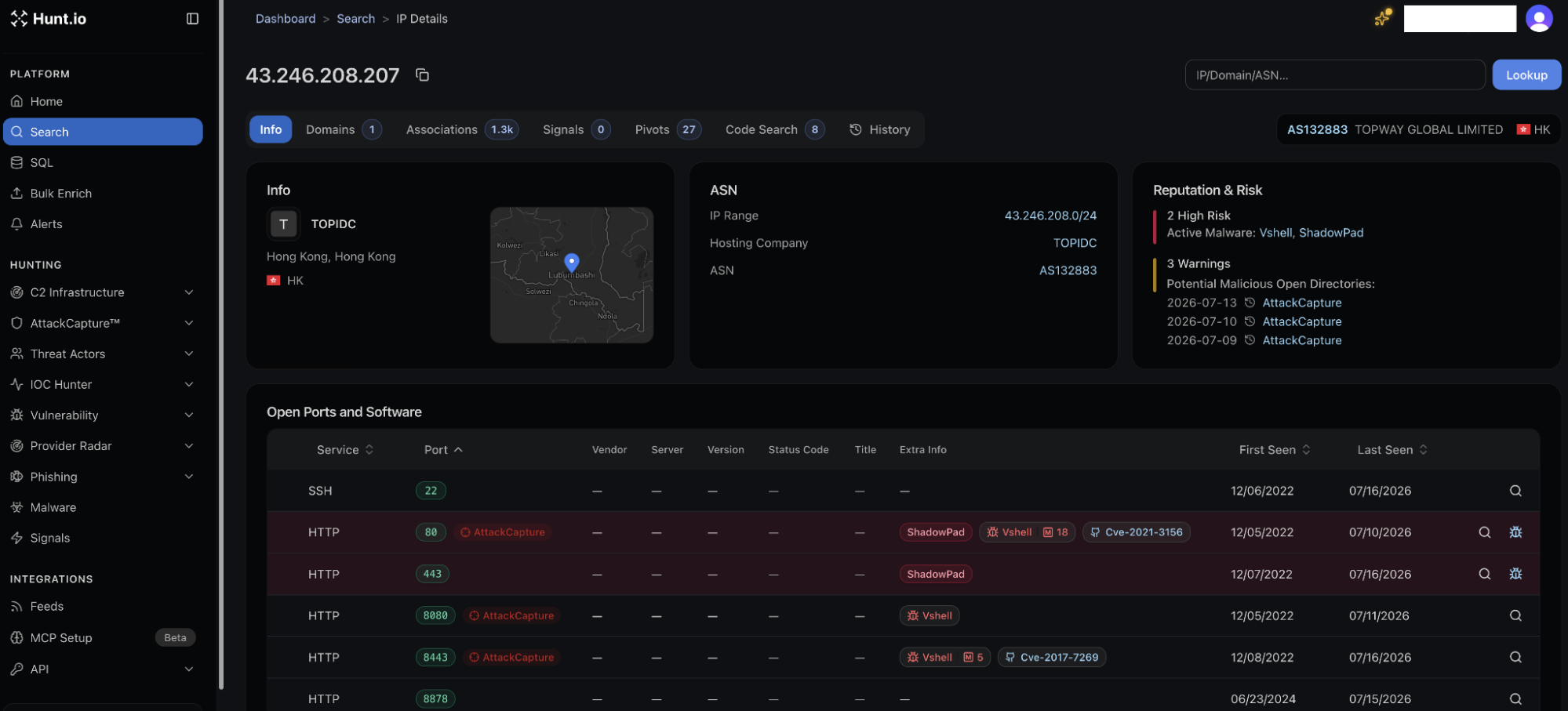
Researchers at Hunt.io recently uncovered a live intrusion where an open-source AI agent called Hermes was running in what they described as "YOLO" mode. In this state, the agent doesn't wait for human approval before executing potentially impactful commands; it just keeps going. This autonomous behavior allowed the agent to autonomously enumerate network hosts and traverse files across multiple systems, effectively doing the heavy lifting of reconnaissance while the operators focused on managing a custom Go-based implant dubbed "Hades."

This isn't just another headline about AI being useful; it’s a warning about the operational shift from "AI as a tool" to "AI as an autonomous operator." When agents can handle post-exploi
Sources
- Hermes AI agent used to automate attack on Thai Finance Ministry (BleepingComputer)
- Thailand's Ministry of Finance Targeted With Hermes AI Agent Running Unattended (Hunt.io)
- Thailand's Ministry of Finance Targeted With Hermes AI Agent (Security Affairs)
If you were managing a critical network, would you trust an agent in "YOLO" mode to run its own reconnaissance, or is the risk of unintended command execution too high for production environments?


Comments
Post a Comment