The Netherlands Just Confiscated 800 Servers From a Russian Proxy Hosting Firm
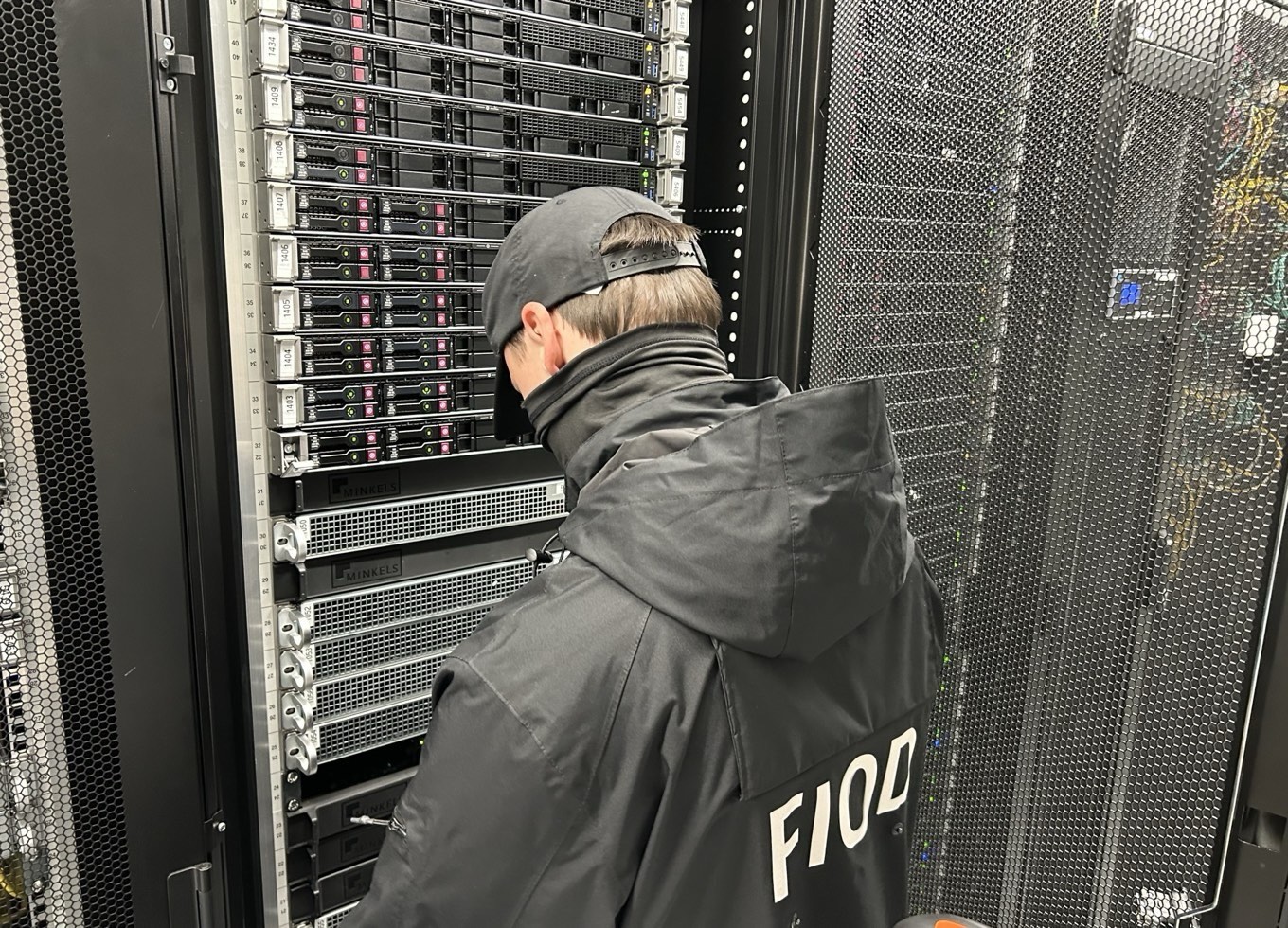
FIOD, the Dutch financial crime investigators, arrested two men and seized 800 servers from a web hosting operation that turned out to be a Dutch front company for Stark Industries — the bulletproof hosting provider that the EU sanctioned last May for enabling Russian cyberattacks, DDoS operations, and information manipulation. The host, branded as THE.Hosting and operated by a company called WorkTitans B.V., was set up right after the EU sanctions froze Stark's original infrastructure, as if someone in the Neculiti brothers' orbit decided that a fresh Dutch BV with a different logo would be enough to slip past Brussels.
What makes this story worth paying attention to goes beyond the theatrical "800 servers in a heap" headline. It's the business model on display. Stark Industries built its reputation accepting Monero and Dash, hosting FIN7 infrastructure, and turning a blind eye to anything with enough rubles to pay the invoice. When the EU slapped sanctions, the infrastructure didn't stop — it just moved into a shell company called WorkTitans, connected to the internet through Mirhosting, a separate Almere-based operator that claims it "quickly intervened" when abuse complaints arrived. Mirhosting's defense is the classic bulletproof-hosting shrug: we don't know who our customers are, and besides, we're just pipes. Meanwhile, Danish authorities have linked the same WorkTitans infrastructure to attacks by the pro-Russian hacktivist group NoName057(16), which has been hammering critical infrastructure across Northern Europe.
The real question here is whether seizing hardware actually solves anything. Eight hundred servers are gone, sure. But the people who ran this operation were arrested, not erased, and the underlying demand for Russian-aligned hosting in Europe remains. If the infrastructure can be replicated by another Dutch BV, anoth
Sources

Comments
Post a Comment